 11
11
Health and wellness are essential to living a balanced, productive life, especially for students and professionals in demanding academic environments. At Drexel University, wellness is seen as more than just the absence of illness — it is a complete state of physical, emotional, social, and mental well-being. Drexel recognizes that a healthy student or staff member is better equipped to succeed academically and personally.
Finding the right wellness resources can be challenging for new students or faculty members. There are many programs, services, and centers spread across the university, and knowing where to start is crucial. This article serves as your complete guide to locating Drexel’s health and wellness resources — both online and on campus — so you can make informed choices about your well-being.
The Health & Well-Being hub on Drexel’s official website should be your starting point. This digital hub is a one-stop-shop for nearly every wellness-related service at the university.
Here, you can find:
This hub is updated regularly, so students, staff, and faculty can stay informed about new programs, seasonal wellness campaigns, or urgent updates like flu shot clinics or COVID-19 information.
Mental health plays a key role in overall wellness. Drexel’s Office of Counseling and Health Services (OCHS) is one of the most important resources for students.
All services are confidential, and most are included as part of the student health plan. Students are encouraged to schedule appointments early in the semester to build a relationship with counselors before stress levels rise.
Located conveniently on campus, the Student Health Center is where you go for general medical needs.
Students with Drexel’s health insurance can often access these services at little or no extra cost. The center also educates students on preventive care — meaning you can get advice on staying healthy, not just treating illness.
Drexel’s Community Wellness HUB is an outreach program that extends wellness efforts to the surrounding Philadelphia community.
Students are encouraged to participate in HUB activities, which not only benefit their health but also connect them with local residents. This is especially useful for students in health-related programs who want real-world exposure to community health work.
Drexel believes that wellness should include everyone — not just students. Its “A Healthier U” program is designed for employees and focuses on holistic health.
Healthy employees mean a stronger, more productive workforce, so Drexel rewards staff for prioritizing their well-being.
Medical students face unique challenges — long study hours, high-pressure exams, and emotionally demanding clinical rotations. Drexel’s College of Medicine Wellness Program is specifically designed for this group.
This program aims to prevent burnout and prepare future doctors to practice healthy habits themselves — which will ultimately benefit their patients.
Nutrition plays a huge role in physical and mental well-being. Drexel’s dining services are designed to support healthy choices.
Healthy eating doesn’t have to be boring. Drexel encourages students to learn about portion control, hydration, and how to create balanced meals that fuel their busy academic lives.
True wellness includes accessibility. Drexel’s Office of Disability Resources ensures that students with disabilities can fully participate in academic and campus life.
This office promotes a culture of inclusion, making sure that every student can focus on their education without unnecessary barriers.
The Stephen & Sandra Sheller 11th Street Family Health Services is one of Drexel’s most comprehensive health facilities.
This center is open not only to students but also to community members, making it a valuable resource for anyone looking for long-term health support.
Health is not just physical — it also depends on social stability. Drexel’s HOPE initiative focuses on improving overall quality of life.
This holistic approach helps create a safer, healthier community for everyone connected to Drexel.
For students who prefer self-paced learning, Drexel offers online wellness tools:
These digital resources are available 24/7, allowing students to work on their health even outside of business hours.
Throughout the year, Drexel hosts wellness events such as:
Participating in these events is a great way to learn new habits, meet supportive peers, and stay motivated to care for your health.

Peer-to-peer programs are a powerful way to build a sense of belonging and get mental health support. Drexel offers several peer mentoring networks where students can talk openly with trained peers. These mentors understand campus challenges firsthand and can provide both emotional support and practical advice about navigating university life.
Drexel’s recreation facilities include gyms, group exercise classes, swimming pools, and sports courts. Students can participate in intramural sports leagues, join fitness challenges, or attend yoga, Zumba, and spin classes. Staying active helps reduce stress and improves focus, making it easier to balance academics with personal life.
Drexel takes special measures to help students during midterms and finals. The library often hosts “stress-less” events where students can interact with therapy dogs, attend meditation sessions, and enjoy free snacks or relaxation spaces. These initiatives help students recharge mentally and physically during high-pressure times.
Career stress is a major concern for students nearing graduation. Drexel’s Steinbright Career Development Center supports professional well-being by offering resume reviews, mock interviews, co-op placement guidance, and workshops on managing workplace stress. This ensures students enter the job market with confidence.
Poor sleep habits can harm academic performance and health. Drexel’s wellness programs emphasize the importance of healthy sleep schedules, offer workshops on managing screen time, and teach students how to create a calming bedtime routine. Adequate rest leads to better memory retention and reduced anxiety.
Money-related stress is one of the biggest obstacles to student mental health. Drexel organizes sessions on budgeting, saving, and managing student loans. These programs empower students to take control of their financial future and prevent financial stress from affecting academic success.
Emotional and social wellness is part of Drexel’s holistic health approach. The university hosts workshops on building healthy relationships, communication skills, and conflict resolution. These sessions are valuable for students learning to navigate friendships, family ties, and romantic relationships while maintaining personal boundaries.
Drexel provides confidential resources for students struggling with substance use or addiction. The wellness team offers educational workshops on alcohol awareness, safe party practices, and drug prevention. There are also counseling services and support groups available for students seeking recovery.
Beyond dining halls, Drexel offers access to registered dietitians who can work with students one-on-one. This service is ideal for those with specific dietary needs, food allergies, or medical conditions such as diabetes. Personalized meal planning helps students fuel their bodies for optimal health and academic performance.
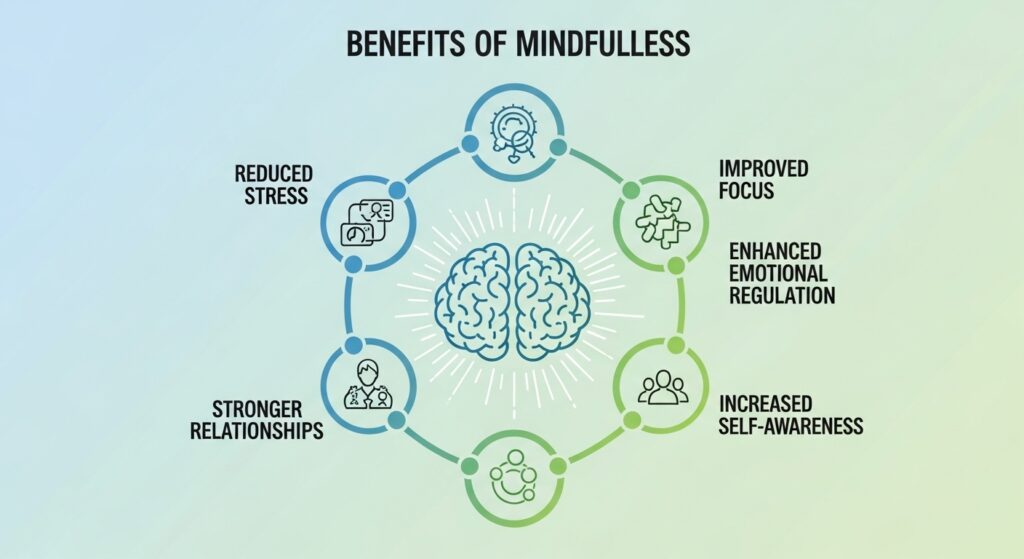
Mindfulness is a growing focus at Drexel. The campus offers guided meditation sessions, stress reduction workshops, and even mobile apps recommended by the counseling office to help students practice mindfulness at home. These tools improve focus, emotional control, and overall happiness.
Drexel has specialized resources for LGBTQ+ students, including support groups, inclusive health services, and events celebrating diversity. The goal is to create a safe space where students can explore their identity and receive medical care without discrimination.
Many of Drexel’s health and wellness programs have moved online or offer hybrid options. Students can schedule telehealth appointments, attend virtual workshops, and access recorded lectures on wellness topics. This flexibility ensures that even remote learners benefit from the university’s resources.
Professors at Drexel are encouraged to support student wellness by understanding mental health challenges and promoting a healthy work-life balance. Some faculty members integrate wellness check-ins into their classes or share campus resources with students who seem stressed.
Hearing from peers who have successfully used Drexel’s health resources can motivate others to seek help. Many wellness programs share success stories about students who improved their mental health, developed healthy habits, or overcame stress by using campus services.
Drexel emphasizes seeking help early before issues become overwhelming. Whether it’s a small health concern, academic stress, or emotional challenge, early action leads to faster recovery. This proactive approach is key to staying healthy throughout the semester.
Wellness is a journey, and Drexel University provides all the tools necessary to make that journey a success. From counseling and medical care to nutrition advice, fitness programs, and community partnerships, Drexel’s health and wellness resources cover every aspect of student and staff well-being.
By taking advantage of these services, you can maintain a healthier, more balanced lifestyle — which ultimately leads to better academic performance, stronger relationships, and a better future.
Read More: