 11
11Greetings! My name is Muhammad Shakeel, and with over five years of experience in article writing, I aim to provide comprehensive, engaging, and informative content. Today, through my platform, [FitLifez], I want to delve into a topic that affects many individuals worldwide—temporomandibular joint dysfunction (TMJD) and how stress management plays a crucial role in its treatment.
To begin, it’s essential to understand what temporomandibular joint dysfunction, commonly abbreviated as TMJD, is. The temporomandibular joint (TMJ) acts as a sliding hinge, connecting your jawbone to your skull. TMJD refers to a group of conditions that cause pain and dysfunction in the jaw joint and the muscles that control jaw movement.
TMJD can manifest through various symptoms, including:
Jaw Pain: A persistent ache in the jaw area, especially near the ears.
Difficulty in Chewing: Discomfort or pain while eating.
Locking of the Jaw: The jaw may get stuck in an open or closed position.
Clicking or Popping Sounds: Audible sounds when moving the jaw.
Facial Pain: Discomfort that radiates through the face.
Ear Pain: Often mistaken for ear infections.
TMJD can arise from a combination of factors. Some of the common causes include:
Injury to the Jaw: Physical trauma can lead to joint dysfunction.
Arthritis: Degenerative joint conditions can affect the TMJ.
Bruxism: Teeth grinding, often exacerbated by stress, contributes significantly.
Poor Posture: Especially in the neck and upper back, can affect jaw alignment.
Stress: Emotional and physical stress can tighten facial and jaw muscles, exacerbating TMJD.
Stress is an inevitable part of life, but when unmanaged, it can have profound effects on physical health, including TMJD. Stress often results in muscle tension, which can contribute to the exacerbation of TMJD symptoms. Here’s how stress influences TMJD:
Under stress, many people clench their jaw or grind their teeth unconsciously, a condition known as bruxism. This constant pressure can inflame the joint, leading to pain and dysfunction.
Stress triggers the release of hormones such as cortisol, which can heighten pain perception and inflammation, worsening TMJD symptoms.
When stressed, individuals might adopt poor postural habits, sleep less, or engage in unhealthy eating patterns, all of which can aggravate TMJD.

Managing stress effectively can significantly reduce TMJD symptoms. Here are some strategies and techniques that can help:
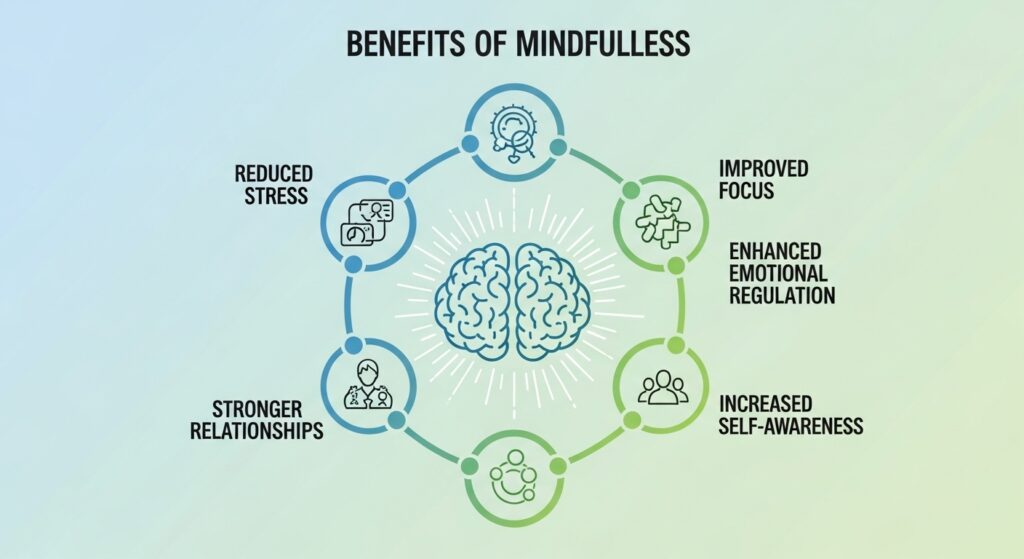
Practicing mindfulness and meditation can help reduce overall stress levels. By focusing on breathing and clearing the mind, these practices can help you gain better control over your physical responses to stress, including jaw tension.
Set Aside Time: Dedicate at least 10-20 minutes daily.
Find a Quiet Space: Choose a place free from distractions.
Focus on Breathing: Breathe deeply and concentrate on each inhale and exhale.
Use Guided Meditations: Apps like Headspace or Calm can be helpful.
Regular physical activity is a proven stress buster. Exercise releases endorphins, which are natural mood lifters, and helps relax tense muscles.
Cardiovascular Activities: Running, walking, or swimming.
Strength Training: Helps improve posture and muscle balance.
Yoga and Pilates: Focus on flexibility and stress reduction.
Specific exercises can help strengthen the jaw muscles and improve joint function. Consulting a physical therapist who specializes in TMJD can provide personalized exercise regimens.
Slow Opening and Closing: Gently open and close the mouth.
Side-to-Side Movements: Move the jaw from side to side.
Chin Tucks: Pull the chin backward while keeping the head straight.
CBT is a form of therapy that helps in changing negative thought patterns that contribute to stress. By re-framing thoughts, individuals can manage stress more effectively, indirectly alleviating TMJD symptoms.
Biofeedback is a technique that teaches control over physiological functions. By using sensors to monitor muscle tension, individuals can learn to relax jaw muscles consciously.
Poor sleep can exacerbate stress and TMJD symptoms. Adopting better sleep hygiene practices can improve overall wellbeing.
Regular Sleep Schedule: Go to bed and wake up at the same time each day.
Comfortable Sleep Environment: Ensure a dark, quiet, and cool room.
Avoid Stimulants: Reduce caffeine and screen time before bed.
A balanced diet and proper hydration can influence your stress levels and overall health. Certain nutrients, such as magnesium, can help relax muscles and reduce stress.
Eat Balanced Meals: Include a variety of fruits, vegetables, proteins, and whole grains.
Stay Hydrated: Drink plenty of water throughout the day.
Limit Sugar and Caffeine: These can increase stress and anxiety levels.
In addition to stress management, several professional treatments can address TMJD more directly:
Mouth Guards: Custom-fitted devices to prevent teeth grinding.
Dental Corrections: Procedures to correct bite misalignments.
Pain Relievers: Over-the-counter options like ibuprofen or prescription medications.
Muscle Relaxants: To ease muscle tension.
In severe cases, surgery might be considered. This is typically a last resort when other treatments fail.
Temporomandibular joint dysfunction is a complex condition influenced by various factors, including stress. By understanding the connection between stress and TMJD, individuals can take proactive steps in managing both. Stress management techniques such as mindfulness, exercise, and proper nutrition play a vital role in alleviating symptoms and improving quality of life.
At Fit Lifez, we believe in empowering individuals with knowledge to make informed decisions about their health. By implementing the strategies discussed here, you can take significant strides in managing TMJD and enhancing overall well-being.
For more articles on health and wellness, feel free to visit [FitLifez]. Together, let’s journey towards a healthier, more balanced life.