In today’s fast-paced and often stressful world, more and more people are realizing that true health is not just about the absence of illness, but about achieving a state of complete physical, mental, and emotional well-being. This is where the concept of a Wellness Health Care Center comes into play.
Unlike traditional healthcare facilities that focus primarily on treating disease, wellness centers emphasize prevention, lifestyle modification, and holistic healing practices. This comprehensive article explores the importance, services, and benefits of wellness healthcare centers, and why they are increasingly becoming an essential part of modern health systems.
1. What is a Wellness Health Care Center?
A Wellness Health Care Center is a specialized facility designed to offer services that enhance overall well-being rather than just treating sickness. These centers typically integrate conventional medicine with alternative therapies, emphasizing preventative care, holistic healing, and the improvement of quality of life.
Core Philosophy
Holistic health: Treating the mind, body, and spirit as interconnected.
Preventative care: Encouraging lifestyle choices that prevent disease before it starts.
Personalized wellness plans: Tailoring health strategies based on individual needs.
Focus Areas
Nutrition and diet counseling
Mental health and emotional support
Physical fitness and rehabilitation
Alternative medicine (e.g., acupuncture, massage, herbal therapy)
Wellness centers promote a proactive approach to health, encouraging clients to take charge of their own well-being through education, lifestyle coaching, and regular wellness checks.
2. Key Services Offered by Wellness Health Care Centers
2.1 Preventive Screenings and Risk Assessments
Most wellness centers begin with a comprehensive health check-up, which includes:
Blood pressure and heart rate monitoring
Blood sugar and cholesterol tests
BMI and body fat analysis
Lifestyle and genetic risk assessments
These screenings help detect early signs of illness and allow for timely intervention.
2.2 Nutritional Counseling and Diet Planning
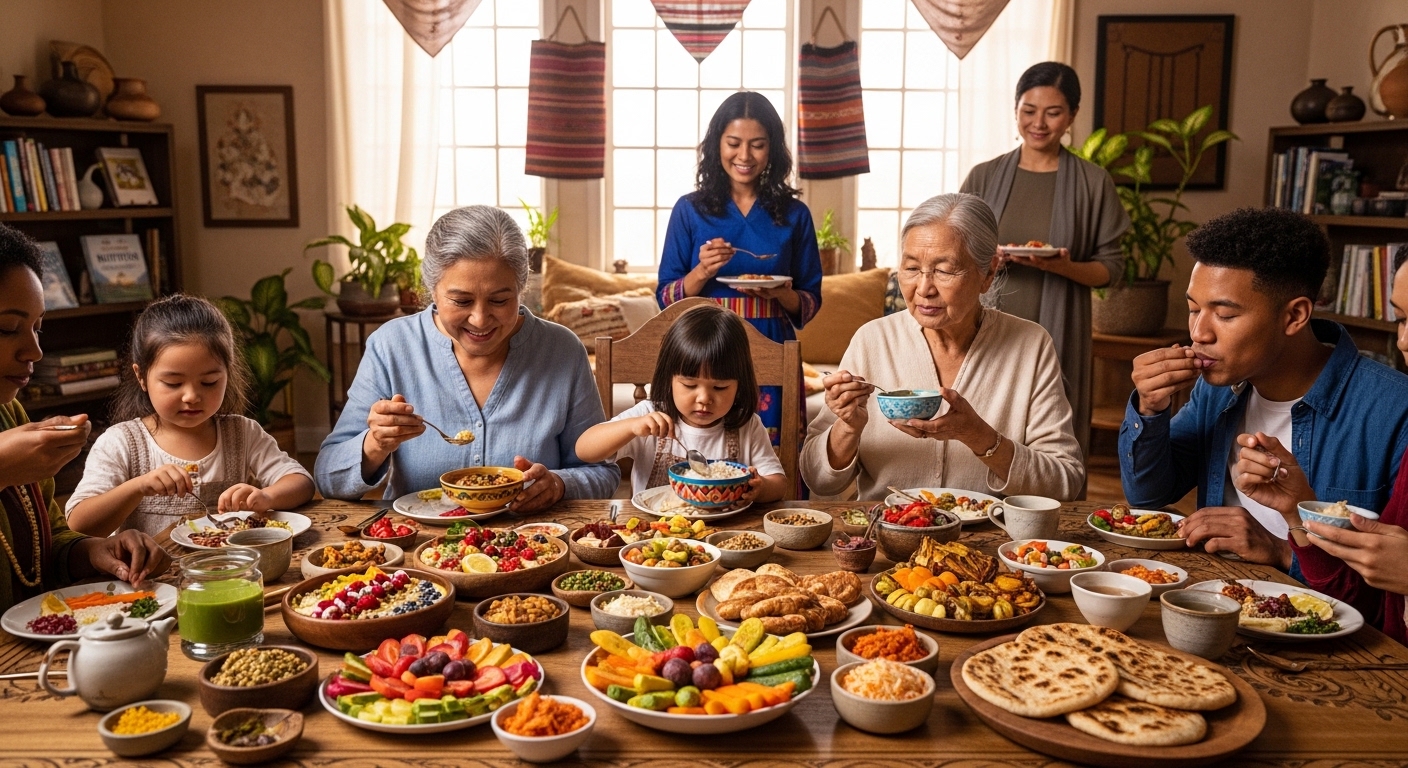
Nutrition plays a crucial role in overall wellness. Registered dietitians at wellness centers:
Develop personalized meal plans
Educate about nutrient-rich foods
Address conditions like obesity, diabetes, and high cholesterol
Provide support for dietary restrictions and allergies
2.3 Mental Health and Stress Management
Mental wellness is just as important as physical health. Services include:
One-on-one counseling
Stress management workshops
Group therapy sessions
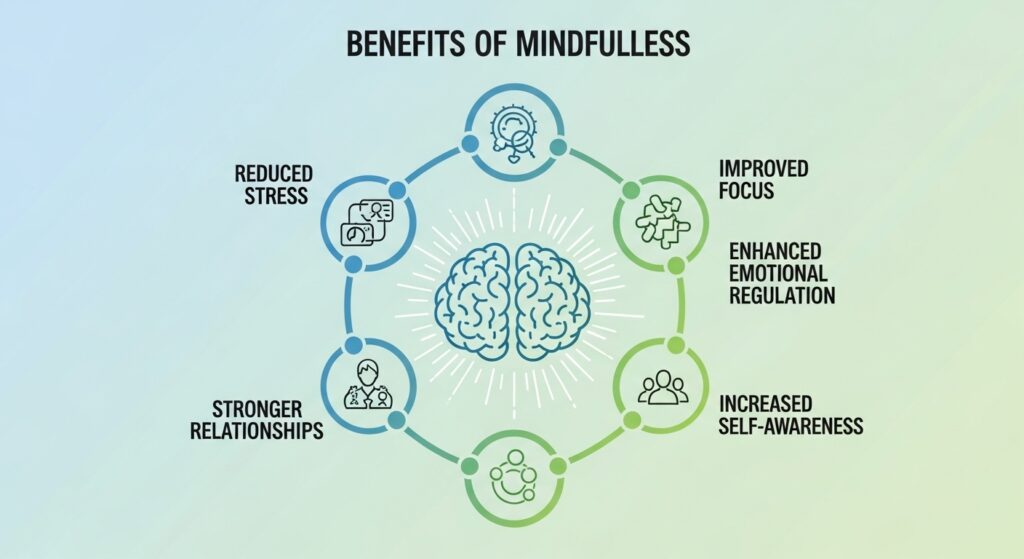
Meditation and mindfulness training
2.4 Physical Fitness and Rehabilitation
Wellness centers often include gym facilities or partner with fitness professionals to provide:
Personalized exercise programs
Yoga, pilates, and aerobics classes
Physiotherapy and pain management
Post-surgery or injury rehabilitation
2.5 Alternative and Complementary Therapies
To provide a more integrative approach, many centers offer:
Acupuncture and acupressure
Herbal medicine
Chiropractic services
Aromatherapy and reflexology
Reiki and energy healing
These services help manage chronic conditions, improve energy levels, and promote balance within the body.
3. The Benefits of Choosing a Wellness Health Care Center
3.1 Prevention Over Cure
By focusing on preventive measures and early intervention, wellness centers reduce the likelihood of serious illnesses, saving both time and money in the long run.
3.2 Personalized and Holistic Care
Unlike traditional clinics, which often adopt a one-size-fits-all approach, wellness centers:
Offer customized health plans
Consider emotional and environmental factors
Use both modern and traditional healing methods
3.3 Improved Mental Health
With access to mental health professionals and stress-reduction programs, patients can:
Build resilience against anxiety and depression
Learn coping mechanisms
Foster a positive mindset
3.4 Enhanced Lifestyle Choices
Through regular coaching and workshops, clients adopt healthier habits such as:
Eating nutritious food
Staying physically active
Getting adequate sleep
Avoiding harmful substances
3.5 Long-Term Well-being
A focus on sustainable lifestyle changes leads to:
Improved energy and productivity
Lower healthcare costs
A more fulfilling, balanced life
4. Who Should Visit a Wellness Health Care Center?
Wellness centers are beneficial for:
4.1 Busy Professionals
Dealing with stress and burnout
Seeking work-life balance
Needing guidance on diet and fitness
4.2 Elderly Individuals
Managing chronic pain
Improving mobility and strength
Enhancing cognitive health
4.3 Students and Young Adults
Battling anxiety or academic pressure
Building healthy habits early
Learning emotional regulation skills
4.4 Patients Recovering from Illness
Needing rehabilitation services
Requiring nutritional and emotional support
4.5 General Health Seekers
Anyone interested in improving energy, mood, and physical condition
5. Features of a Modern Wellness Health Care Center
5.1 Technology Integration
Many centers use modern tools like:
Health monitoring apps
Online consultation platforms
Virtual fitness and yoga classes
5.2 Healing Environment
The design of the center plays a big role in healing:
Natural lighting and green spaces
Aromatherapy and calming music
Comfortable lounge and recovery areas
5.3 Expert Multidisciplinary Teams
Typically composed of:
Medical doctors
Dietitians and fitness trainers
Psychologists and life coaches
Ayurvedic or naturopathic practitioners
6. Setting Up or Partnering with a Wellness Center
If you are a business owner, blogger, or health coach, you can:
Partner with a Center
Promote their services via affiliate marketing
Host workshops and events
Offer consulting or coaching services
Start Your Own
Key steps include:
Conducting market research
Choosing a niche (women’s health, elderly care, corporate wellness)
Hiring qualified staff
Setting up a clean, tech-enabled facility
Marketing via SEO, social media, and Google Ads
7. Success Stories: Real-World Examples
Case 1: Urban Wellness Hub – London
A boutique wellness center offering mental health counseling, yoga, and organic nutrition. 80% of clients reported improved stress levels within 3 months.
Case 2: Harmony Health & Wellness – New York
Specializing in women’s holistic care, including hormone balancing, fertility counseling, and postpartum recovery.
Case 3: FitLife Wellness – Lahore
Combining Eastern therapies with modern diagnostics, helping professionals and students maintain physical and emotional health.
Conclusion:
A Wellness Health Care Center is more than a facility—it is a sanctuary for those seeking balance, energy, and longevity. In an era where chronic diseases, mental health disorders, and lifestyle-related conditions are rampant, these centers play a crucial role in empowering people to live better.
By focusing on prevention, holistic healing, and personalized care, wellness centers redefine what healthcare means today. Whether you’re a patient, practitioner, or entrepreneur, embracing wellness is one of the smartest and most rewarding choices you can make.
 1
1