 11
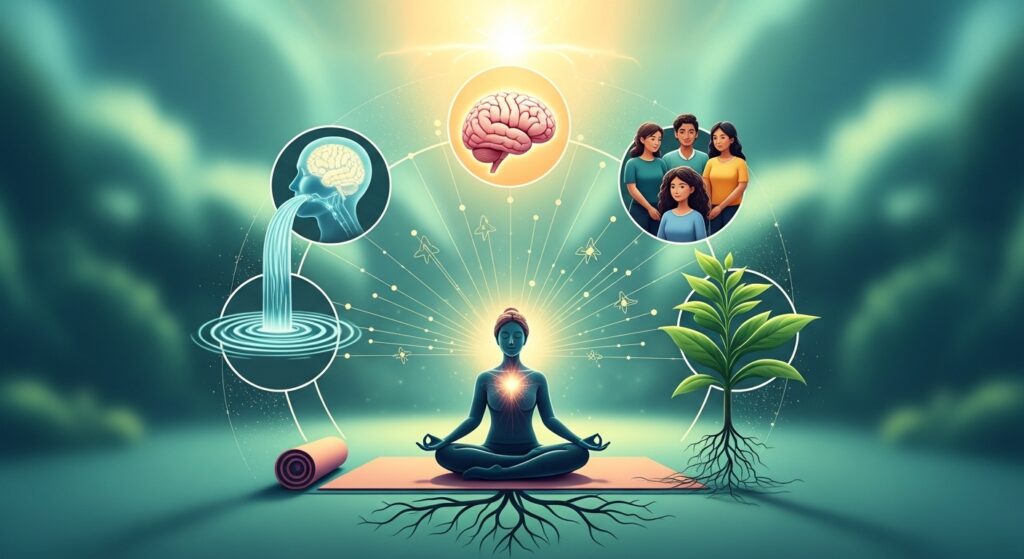
11Wellness means being in good health in every part of your life — physically, mentally, emotionally, and spiritually. It is not just about avoiding illness. It is about living with purpose, energy, and joy. When you feel well, you do better at work, enjoy your relationships more, and handle stress more easily.
In today’s fast-paced world, many people forget about their wellness until something goes wrong. But when you take care of your health every day, you can live longer, feel better, and enjoy life more.
This article will guide you through all key areas of wellness and offer easy steps you can take to improve your well-being. Whether you’re just starting or want to deepen your wellness routine, this guide will help.
Physical wellness is about caring for your body. It includes eating healthy food, staying active, sleeping well, and avoiding harmful habits. When your body feels good, it supports everything else in your life — from work to relationships.
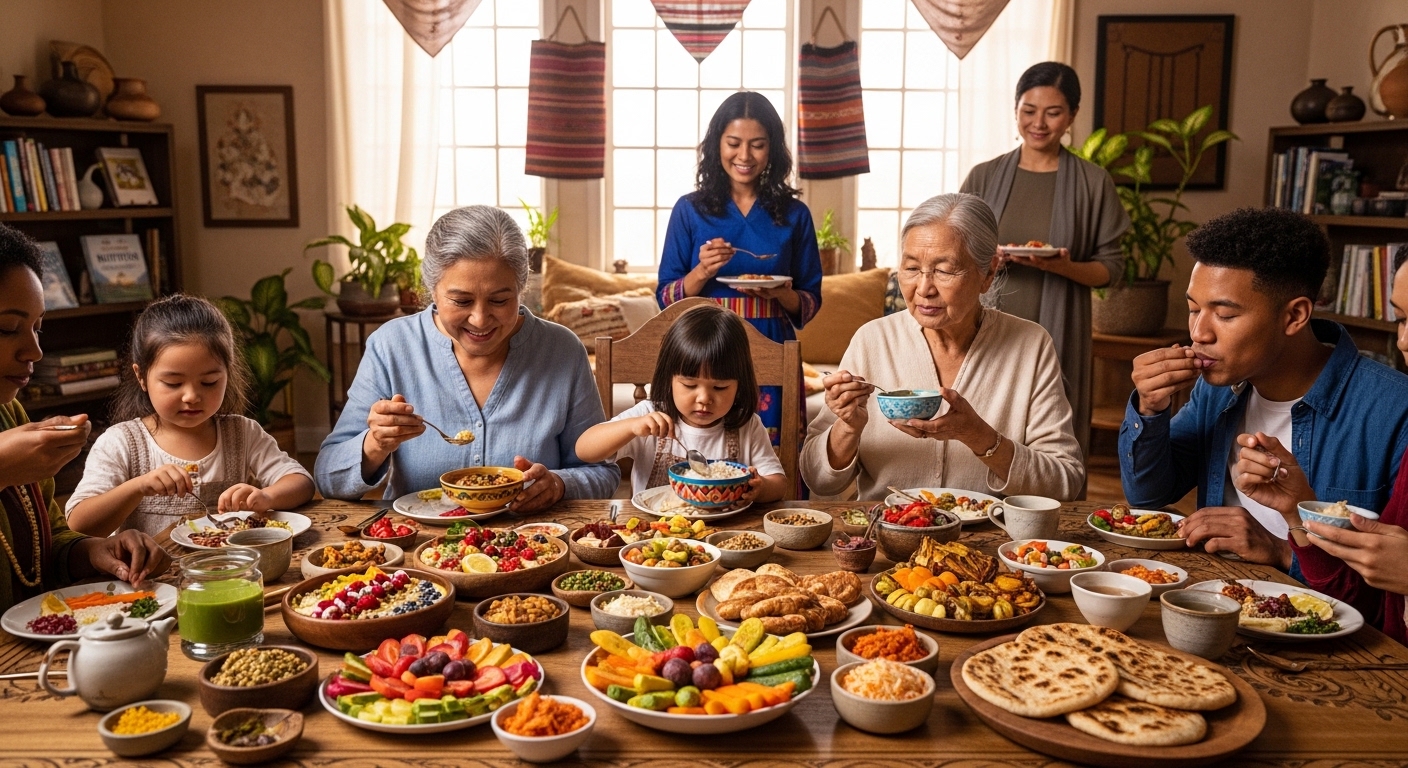
A balanced diet gives your body the nutrients it needs to stay strong and fight illness. Include the following in your meals:
Avoid sugary snacks, sodas, deep-fried foods, and overly processed meals. Instead, cook at home when you can, and focus on portion control.
Exercise keeps your heart, muscles, and bones healthy. It also boosts your mood and energy. You don’t need a gym membership — just aim for 30 minutes of activity most days. Options include:
Sleep helps your body recover, your brain think clearly, and your emotions stay balanced. Aim for:
Visit your doctor regularly for check-ups, even if you feel fine. Early detection of health issues can save your life.
Mental wellness means having a clear mind, staying focused, and being able to handle daily stress. Good mental health helps you think better, solve problems, and make smarter choices.
Stress can cause sleep problems, poor focus, and even physical illness. Learn to handle it with:
Mental wellness also includes seeking help when needed. Talking to a friend, family member, or therapist is a sign of strength, not weakness.
Emotional wellness is your ability to understand, express, and manage your emotions. It helps you build better relationships and cope with challenges in a healthy way.
Keep a gratitude journal. Write down 3 things you’re thankful for every day. This small habit boosts your mood and helps you see the good in life.
Say no when you’re overwhelmed. Avoid people or situations that drain your energy. Surround yourself with positive, supportive people.

Humans are social beings. We all need friends, family, and people we trust. Social wellness means having relationships that give you support, love, and connection.
If someone constantly criticizes, manipulates, or drains you, it’s okay to walk away. Your peace is more important.
Building a healthy support system makes you feel less lonely and more secure.
Spiritual wellness involves finding meaning and purpose in your life. It doesn’t have to be religious — it can be about personal values, morals, or goals.
Do things that make you feel alive — helping people, writing, cooking, gardening, or working on a passion project. A life with purpose leads to lasting happiness.
The space you live in affects your mood, health, and focus. A clean, organized, and safe space helps your mind and body function better.
Even small changes like opening a window or playing calming music can boost your mood.
Money worries can cause stress, anxiety, and sleepless nights. Financial wellness is about managing your money in a way that reduces stress and supports your life goals.
Good money habits give you peace of mind and freedom to focus on other areas of life.
Wellness is a journey, not a one-time goal. It’s built from the small choices you make every day — the food you eat, how you think, how you treat others, and how you take care of yourself.
Start simple:
Remember, wellness is personal. What works for someone else might not work for you. Listen to your body, heart, and mind. Keep growing, learning, and caring for yourself. You deserve to feel your best — every day.