 11
11In the journey of self-care and well-being, two terms often used interchangeably are mental health and emotional health. While they are closely connected and often influence each other, they are not the same. Understanding the differences and similarities between mental and emotional health is crucial for maintaining overall wellness.
This article offers a detailed comparison and contrast between mental and emotional health, their significance, how they affect your life, and how to maintain a healthy balance between the two. Whether you are a student, a healthcare worker, or someone trying to improve your well-being, this guide will clarify your understanding.
Mental health refers to the state of your cognitive functioning — how your brain processes information, makes decisions, solves problems, and handles stress. It includes your ability to think, learn, and understand the world around you.
Maintaining mental health often involves therapy, medication (if necessary), healthy lifestyle choices, and supportive relationships.
Emotional health refers to your ability to manage and express your emotions appropriately. It focuses on how you react to situations, relate to others, and handle feelings such as happiness, anger, sadness, fear, and joy.
Although mental and emotional health are distinct, they are deeply interconnected. Here are some of the main similarities:
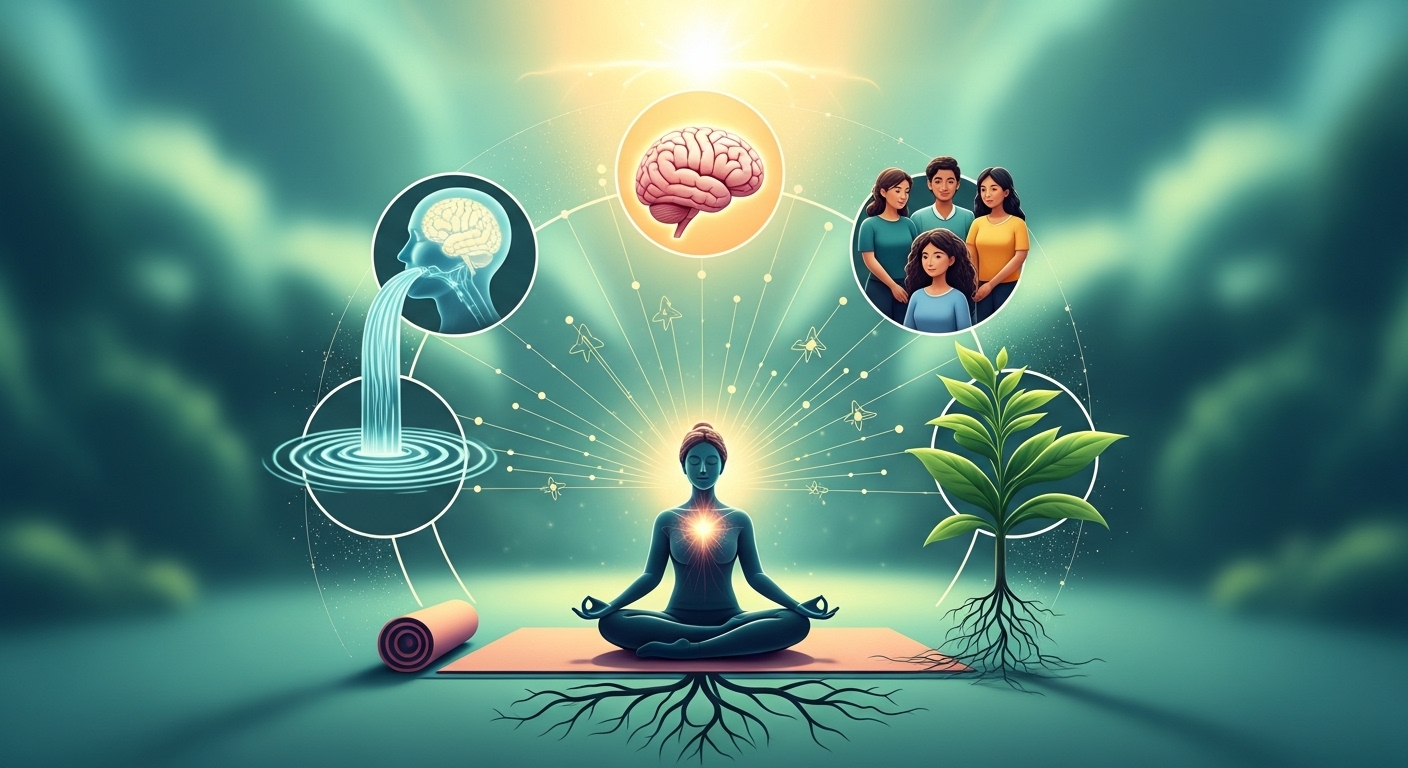
Mental and emotional health together form the core of your psychological well-being. If either is disturbed, it affects your daily life, relationships, and physical health.
Trauma, stress, abuse, poor nutrition, and isolation can negatively affect both mental and emotional health. Positive factors like support systems, healthy habits, and safe environments help both thrive.
Like physical health, mental and emotional health require conscious effort. Therapy, mindfulness, journaling, self-care routines, and balanced living are crucial for both.
Understanding how mental and emotional health differ helps in better diagnosis, treatment, and personal growth. Below are the core differences:
Example: You may have a healthy mind capable of logical thinking but still struggle with anger or sadness if your emotional health is poor.
Example: Depression is a mental health condition but may also cause emotional imbalance like persistent sadness.
The brain and heart do not function in isolation. Emotional struggles can lead to mental stress, and untreated mental health issues can result in emotional instability.
Imagine a student preparing for exams. If their emotional health is poor (they are overwhelmed or anxious), their mental health (focus, memory) will likely suffer. In the same way, someone with untreated depression may find it hard to feel joy, love, or peace — impacting their emotional experiences.
Despite growing awareness, many misconceptions still surround these topics:
Wrong. Mental health includes positive aspects like resilience, mental sharpness, and a healthy mindset — not just the absence of disease.
Not true. Expressing emotions in a healthy way shows strength and awareness. Emotional health is about balance, not suppression.
While therapy is valuable, many techniques (like journaling, exercising, or mindfulness) are accessible and highly effective at home.
Maintaining mental health requires ongoing habits and strategies:
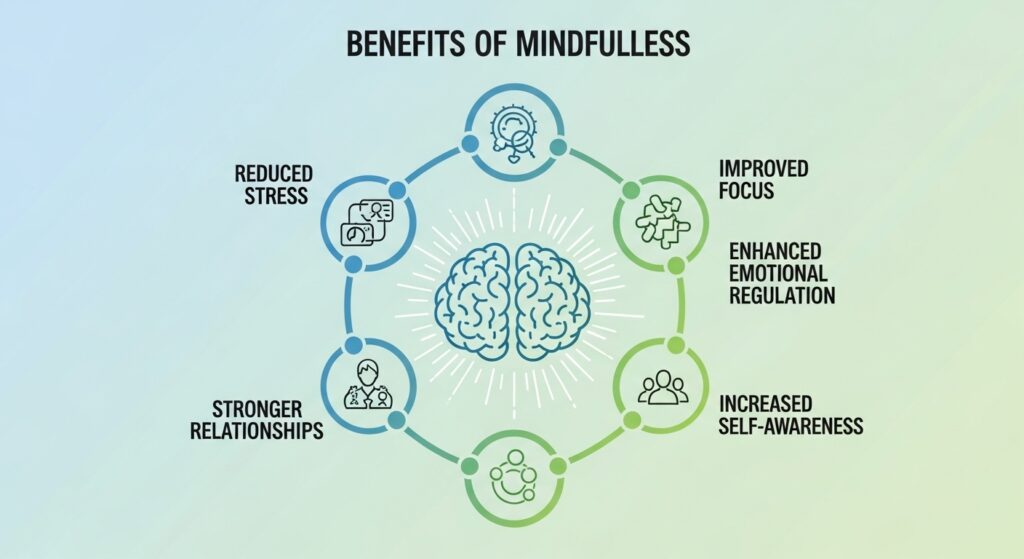
Mindfulness meditation sharpens focus, improves memory, and reduces stress — boosting brain function.
Solve puzzles, read books, or learn new skills to keep your brain active and strong.
Lack of sleep impairs memory and cognitive functioning. Adults need 7–9 hours of quality sleep for optimal brain health.
Don’t hesitate to speak with a mental health professional if you experience symptoms like brain fog, suicidal thoughts, or prolonged anxiety.
Emotional wellness can be enhanced through intentional self-care and expression:
Don’t ignore what you feel. Naming your emotions helps you understand them and deal with them better.
Using words like “frustrated” instead of just “angry” gives clarity to your emotional experience and improves communication.
Keeping a gratitude journal increases emotional resilience and helps maintain a positive outlook.
Open up to a trusted friend, journal your thoughts, or join a support group to share your emotions in a safe space.

Cultural attitudes often shape how we view and handle both mental and emotional health.
In many communities, mental illness is seen as a sign of weakness, leading people to hide symptoms or avoid treatment. This causes more harm and delays recovery.
Some cultures discourage showing emotion, especially in men, considering it “unmanly” or “inappropriate.” This limits emotional development and leads to suppressed feelings.
Breaking the Stigma:
Education, awareness campaigns, and open conversations are essential to normalize mental and emotional health care.
Understanding when to get help is key to recovery and well-being.
Balancing both mental and emotional health is essential for achieving a state of complete well-being. You cannot focus on one and ignore the other. For example, someone with high intellectual capabilities may still struggle with feelings of loneliness, anger, or anxiety if their emotional health is not nurtured.
Similarly, a person who is emotionally expressive but suffers from poor concentration or irrational thinking may face difficulties in problem-solving and decision-making. A balanced approach ensures that your thoughts and feelings work in harmony, helping you to live a more stable and satisfying life.
A lack of balance often leads to internal conflict. You may understand logically that a situation is not threatening, but emotionally, you may still feel anxious or fearful. This mismatch between thoughts and feelings causes stress, confusion, and unhealthy coping behaviors.
A person might turn to substance abuse, overworking, or emotional withdrawal as a way to manage the disconnect. However, when you maintain a balance between the two, you can think clearly while honoring your emotions — responding rather than reacting.
Maintaining this balance requires awareness, intention, and action. Practices such as journaling, therapy, physical exercise, and regular self-check-ins can help keep your emotional and mental states aligned. It also involves creating a lifestyle that promotes mental stimulation and emotional safety.
Work-life balance, meaningful connections, and adequate rest contribute significantly. In the end, true wellness comes from caring for both your mind and your heart — not just one or the other.
Your ability to connect with others is deeply affected by the health of your mind and emotions. Mental health influences how you process information and communicate, while emotional health dictates how you express feelings, empathize, and respond to the emotions of others. When both are stable, your relationships tend to be more fulfilling, supportive, and harmonious. You listen better, communicate clearly, handle conflicts maturely, and respect boundaries.
On the other hand, poor mental or emotional health can lead to strained relationships. A person struggling with depression might withdraw from loved ones, not because they don’t care, but because they lack the mental energy or motivation to engage.
Similarly, someone with poor emotional health may overreact to minor issues, become overly defensive, or experience jealousy and resentment. These reactions can push people away and create misunderstandings that damage trust and intimacy.
Improving your relationships starts with inner work. When you nurture your mental health, you become more logical, grounded, and open-minded — qualities essential for healthy communication. By working on emotional health, you become more compassionate, forgiving, and emotionally available.
It’s also important to understand that everyone struggles at times, so showing empathy and patience can make a huge difference. Investing in your own wellness not only benefits you but also strengthens your connections with family, friends, and colleagues. Healthy relationships are built on mutual understanding, and that starts with understanding yourself.
Your daily habits play a major role in shaping your mental and emotional health. A lifestyle that includes proper nutrition, exercise, sleep, social interaction, and stress management creates a strong foundation for overall wellness.
For example, physical activity not only boosts brain function but also releases endorphins — chemicals that elevate mood and reduce stress. A sedentary lifestyle, poor diet, and irregular sleep patterns, on the other hand, contribute to fatigue, irritability, and cognitive decline.
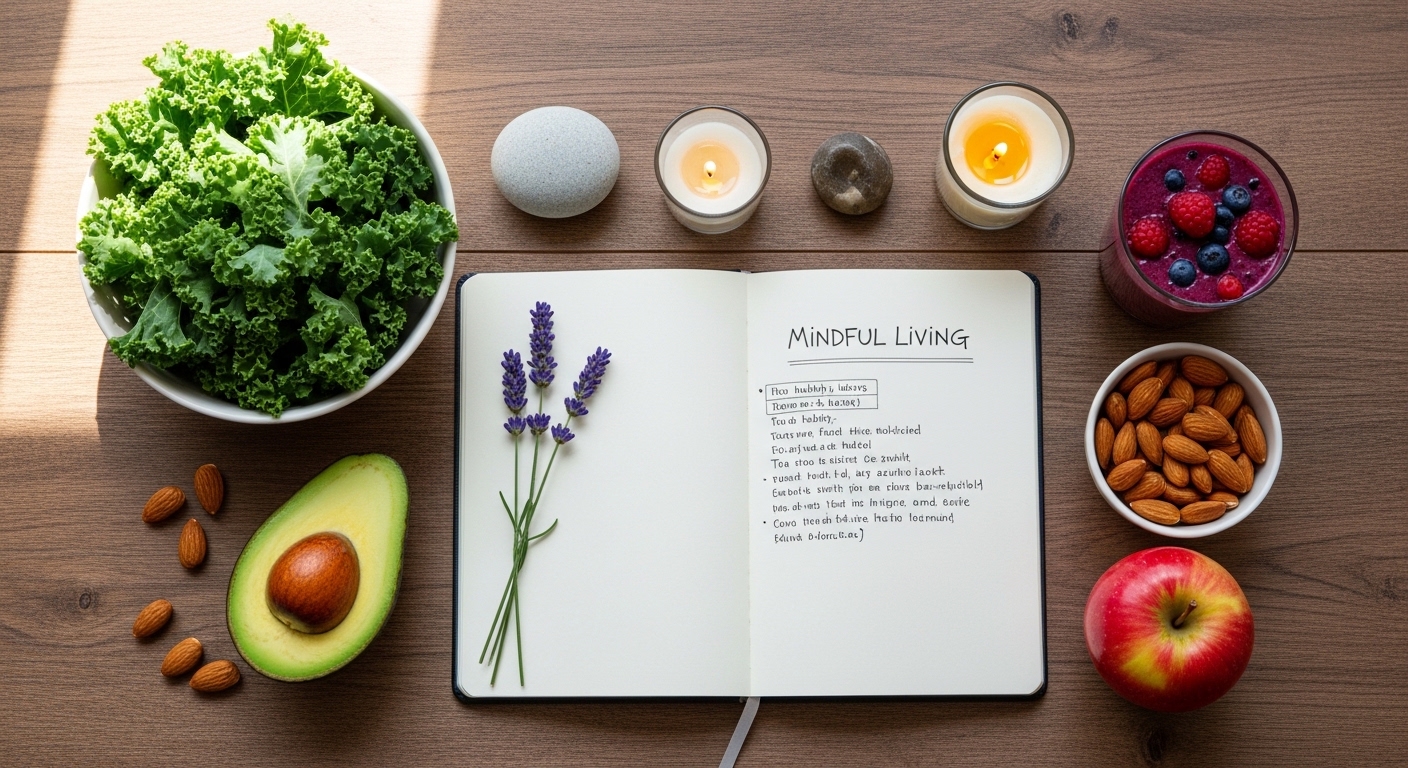
Mindful living is another crucial component. Activities like meditation, breathing exercises, yoga, and even spending time in nature can restore inner balance. These practices help regulate both the mind and emotions, making you less reactive and more present. Even setting boundaries around work, screen time, and social obligations can protect your energy and promote peace of mind.
Social support is also a key lifestyle factor. Regular interaction with friends and loved ones provides emotional nourishment and reduces feelings of isolation. However, not all relationships are healthy, so it’s important to surround yourself with people who uplift you. Setting time aside for hobbies and creativity can also support mental agility and emotional expression.
In short, your lifestyle choices are not just background details — they are central to your psychological health. Creating a routine that includes exercise, healthy food, rest, mindfulness, and positive social interaction will not only protect you from stress and illness but also build resilience. By living intentionally, you give yourself the best chance at a clear mind, a strong heart, and a balanced life.
Mental and emotional health are two vital pillars of human wellness. While mental health centers around your cognitive processes, emotional health focuses on how you manage and express your feelings. Though different, they are interconnected and influence each other constantly.
By improving both areas through healthy habits, open conversations, and professional help when needed, you can lead a balanced, fulfilling life. Recognizing the unique roles of mental and emotional health enables us to respond more compassionately — to ourselves and others.